

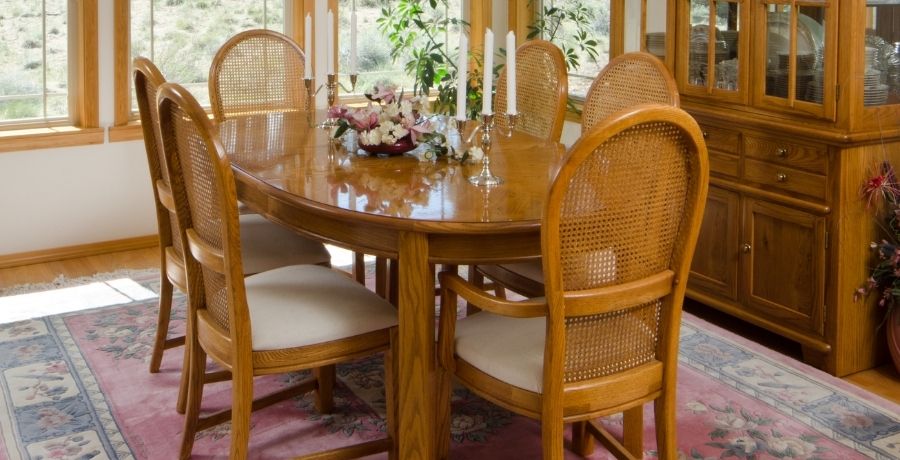
As someone who has worked with Persian rugs in Sydney for years, I’ve seen how something as simple as the right rug can completely transform a space. Finding the best rug size for a dining room arrangement is not only a way to add style to the room, but also makes each meal at the table feel more comfortable.
For timeless elegance, many dining rooms pair beautifully with Antique Rugs or finely woven Tabriz Rugs.
On the other hand, any mistake in the choice may lead to various problems: too small rugs, the legs of the chair will slip over the borders, or a too-large rug will disrupt the balance in the room.
I know these mistakes all too well because they’re the ones people make most often. The positive aspect is that they are not difficult to prevent once you become familiar with a few important rules.
Collectors often choose standout Masterpieces or durable Bijar Rugs to anchor the dining room with heritage and artistry.
In this guide, I’ll walk you through everything I’ve learned—from common rug sizes for dining tables to how to measure your space correctly—so that by the end of it all, you will be able to make the best decision when it comes to the type of rug to put in your dining room.
Whether you’re dealing with a small dining room rug size in a cosy apartment or a large dining room rug size for a grand entertaining space, you’ll know exactly what to look for.
Why Rug Size Matters in the Dining Room
Many residential owners do not consider much when they decide on the best rug size for a dining room. The size of the rug, however, is of even more significance than most people would realise. The right rug size for your dining room is what makes your room feel awkward or cramped.
Visual Balance
An attractive rug is balanced, and it gives a sense of harmony. The correct rug size for dining table layouts is to frame the table and provide the whole setup with a solid foundation. No matter what the size of the dining room rug (whether small or large), it must be big enough to extend beyond the chairs, because otherwise, the dining set will look disjointed instead of being embedded in the floor.
If you prefer a bolder statement, colourful Vegetable Dye Rugs can bring fresh energy to your dining space.
Practical Comfort
Functionality is just as important as appearance. When your dining room is properly furnished with rugs that are properly measured, you can easily slide your chairs in and out of the room without bumping into the carpet.
This makes the meals more pleasant and prevents unnecessary use of the rug. A rug that is too small beneath the dining table is a source of aggravation, whereas one that is of the correct size will promote daily comfort.
Style Cohesion
Adding a rug to your dining room is a great way to unify furniture, floor design, and decor. The best rug for your dining room is not a simple rug, but it will help to create the space, particularly when living in an open-plan house.
To find a rug that complements your interior decor style, explore common rug sizes for dining tables that are available and consider which one can be helpful and relevant to you.
General Rules of Thumb for Dining Room Rugs
When it comes to choosing the best rug size for dining room areas, it is not only a matter of selecting a design you like, but also one of applying a few guidelines that have proven effective in ensuring balance, comfort, and style. Regardless of the rug size for your dining room, these guidelines will help you make an informed choice.
Allow Extra Space Around the Table
Your rug under the dining table should extend at least 24–30 inches (60–75 cm) beyond every edge of the dining table. This ensures that when you pull out chairs, the legs stay comfortably on the rug instead of dragging across the floor. For both small and large dining room rug size options, this guideline ensures the rug does not look too small or unfinished.
In larger rooms, Oversized Rugs provide balance and create a striking visual anchor for the table.
Keep All Chair Legs on the Rug
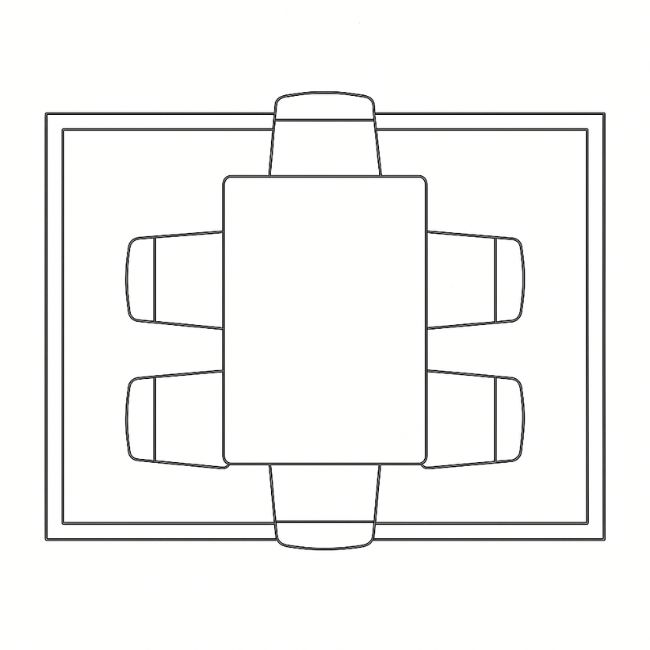
A golden rule for rug sizes in dining rooms is ensuring that every chair leg stays on the rug—even when chairs are pulled out. This gives the appearance of being smooth and not half-on, half-off. Regardless of the common rug sizes for dining tables you are looking for, whether 6×9 feet (180×270 cm), 8×10 feet (240×300 cm) or whatever, be sure to measure the space of your seating arrangement.
Match Rug Shape to Table Shape
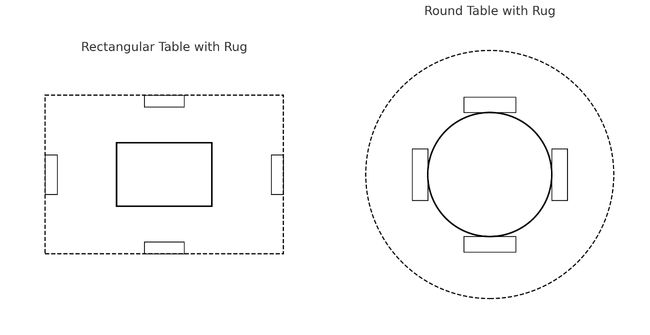
The best rug for your dining room also depends on the shape of your table. Match a round table with a round rug, a rectangular table with a rectangular rug, and a square table with either a square or round rug. The key to making your dining room rugs look natural and stylish, rather than forced, is to select a shape that complements your furniture.
Traditional rectangular tables are often paired with City Rugs or geometric Kazak Rugs for a timeless look.
Standard Rug Sizes for Dining Rooms
When it comes to finding the best rug size for dining room layouts, knowing the standard dimensions is the easiest way to start. When determining the ideal rug size for your dining room, it is essential to consider the shape of your table, the dimensions of your furniture, and the available space in the room. These are some general tips to assist:
Try our Rug Visualiser to see a rug in action. Simply upload a picture of your space and choose a rug from our collection.
For a 4-Seat Table
If you have a small square or round dining table, the best rug for your dining room is typically a 6′ round or square rug (180 cm). This provides sufficient coverage, allowing all chairs to stay on the rug without overwhelming a smaller space.
For a 6-Seat Rectangular Table
For medium-sized dining rooms, the recommended rug size for dining table setups with six chairs is typically 8’x10’ (240×300 cm). This ensures that all chairs fit comfortably on the rug, even when pulled out.
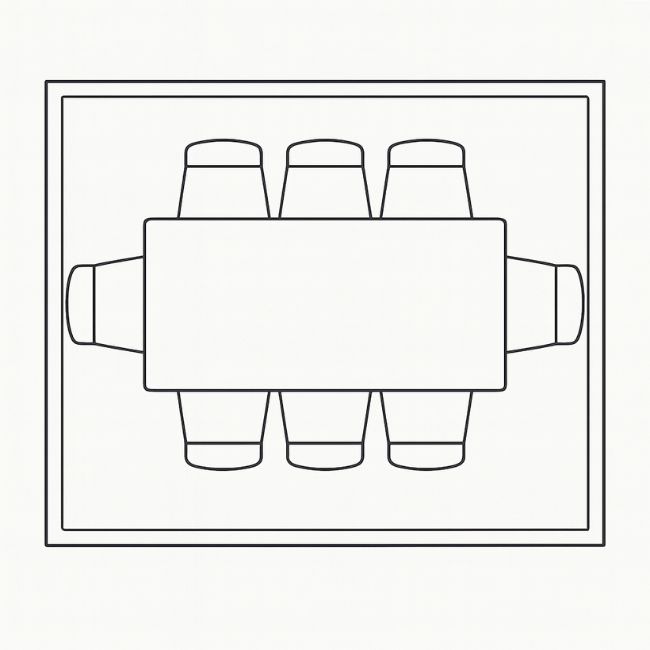
For an 8–10 Seat Rectangular Table
Larger gatherings require a bigger rug. The most common rug sizes for dining tables that seat eight to ten people are 9’x12’ (270×365 cm). This size is one of the most popular rug sizes for dining rooms, as it strikes a balance between proportion and functionality.
For Large or Extended Tables
You will need a 10x14ft area rug (300×425 cm) or a made-to-order rug, should you use a lot of leaf extensions or have a very large dining table. This ensures the rug will always fit the table, regardless of the number of guests seated.
For Small Breakfast Nooks
In smaller areas, such as kitchen nooks or less formal dining areas, a 5’6 round rug (150-180 cm) is normally the most suitable option. This creates a comfortable effect while maintaining stable chairs.
Choosing the Right Rug Shape
When picking the best rug size for dining room spaces, the shape of the rug is just as important as its dimensions. The right rug for your dining room should either be in harmony with the shape of the table or contrast to create a more contemporary and unexpected effect.
For rectangular dining tables, a rectangular rug is the best option. This combination serves to highlight the length of the table and creates a powerful anchor to the entire dining table. With common rug sizes for dining tables, rectangular rugs are also the easiest to find, whether you need a small rug for a dining room or a large one.
Round dining tables offer more flexibility. The curves are reflected in a round rug, which also gives the room a smooth and unified appearance. A square rug beneath the dining table provides a contrasting and modern element. This makes round tables ideal for experimenting with different rug sizes for dining rooms in both small and large spaces.
Oval tables best fit oval rugs, but can also fit perfectly on a rectangular carpet, particularly in an open dining room. This combination can create the perfect rug for your dining room, offering both balance and flexibility.
In the case of square dining tables, symmetry can be achieved by using a square rug, but a combination with a round rug can soften the lines and create a more dynamic effect. Either way, the right rug size for your dining table will help define the area and tie the room together.
Ultimately, it is a matter of personal preference whether you wish to achieve harmony or contrast. The corresponding shape of the rug establishes a unifying and traditional style, while a combination of shapes brings in energy and character.
Regardless of the path, the right dining room rug will ground your space and add elegance to your home.
Material & Thickness Considerations
When deciding on the best rug size for dining room layouts, it’s just as important to think about the rug’s thickness and material. The right rug for your dining room should make everyday use comfortable while keeping cleanup simple. Here are three smart tips:
- Go low and flat. A low-pile or flatweave rug under the dining table is the most practical choice. Chairs slide smoothly without catching on the edges, making it one of the most functional dining room rugs for daily life.
- Choose smart fibres. If you want durability, look for stain-resistant materials, such as wool, synthetic blends, or indoor–outdoor rugs. These are some of the best rugs for your dining room because they withstand spills, crumbs, and heavy use. Whether you’re shopping for a small dining room rug size or a large dining room rug size, these fibres will hold up beautifully.
- Skip the shag. High-pile rugs may be cosy elsewhere in the home, but they’re not the best rug sizes for dining rooms. Shag styles trap food, snag chairs, and are difficult to clean. Save them for spaces without heavy dining activity.
With these tips in mind, you will not only find the right rug size for your dining table, but also select the material that will help to keep your dining room stylish, practical, and easy to clean.
Flatweave options, such as Kilim Rugs or sturdy Pakistani Rugs, are practical for high-traffic dining areas. Delicate Silk Rugs are best saved for less spill-prone spaces rather than everyday dining.
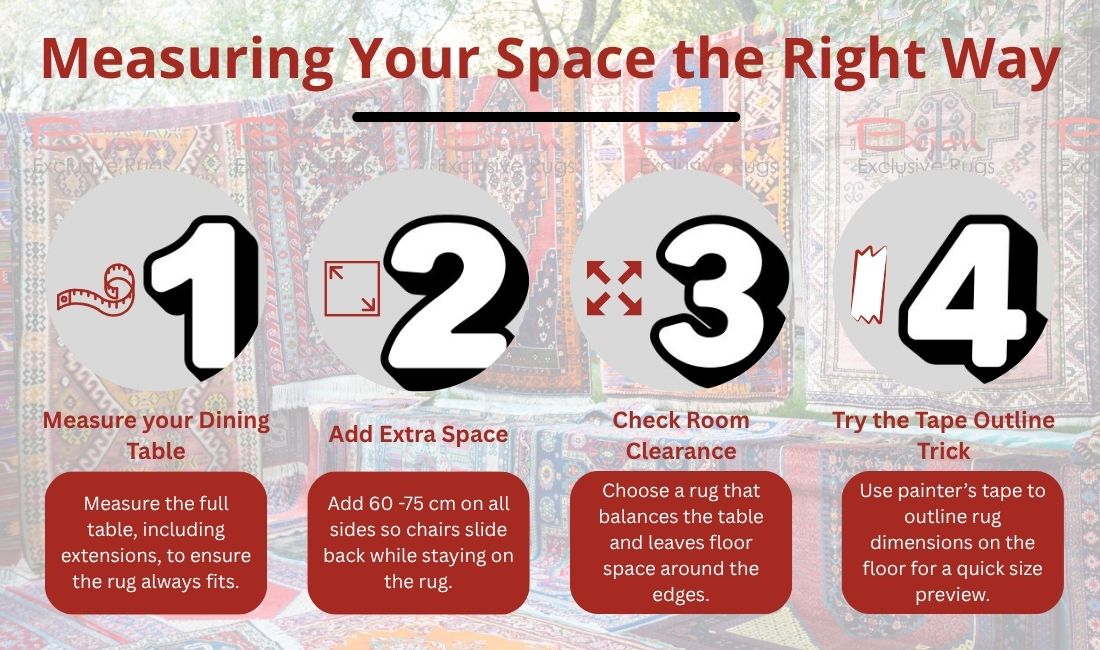
Measuring Your Space Correctly
The first step to determining the best rug size for the dining room is to measure properly. Otherwise, you will have a rug which is either too small to support the furniture or too big to overpower the room. The following is a mere step-by-step process of locating the right rug size for your dining room:
Measure your dining table.
Begin by measuring the entire table, including any extensions you may add for larger gatherings. This ensures that the rug under the dining table will always fit, regardless of the number of guests.
Add extra space.
The general rule is to add 24–30 inches (60–75 cm) to every side of the table. This allows enough room for chairs to slide back while keeping all legs on the rug. Whether you’re selecting a small or large dining room rug, this margin ensures your setup remains comfortable.
Check your room clearance.
The best rug for your dining room should balance the table without crowding the walls. Leave enough visible flooring around the edges to make your space feel open rather than cramped.
Try the tape outline trick.
Before buying, mark the rug dimensions on your floor with painter’s tape. This is a quick visual aid to show you what various rug sizes for dining rooms will look like and help you avoid expensive mistakes.
With these steps, you can ensure that you choose the right rug size for your dining table, making your dining room rugs both stylish and functional.
Common Mistakes to Avoid
Even with the best intentions, it’s easy to make mistakes when choosing the best rug size for dining room layouts. The incorrect size and material of a rug may disrupt the space balance and make ordinary dining annoying. These are the pitfalls that should be avoided:
- Going too small. One of the biggest errors is selecting a rug that doesn’t extend far enough. When the legs of chairs come off the edge as they are pulled away, the rug will appear smaller and feel strange. Always leave more space around the rug under the dining table to ensure a practical and visually appealing arrangement.
- Overwhelming the space. On the other hand, choosing a large dining room rug that nearly touches the walls can make the room feel cramped. The best rug for your dining room should frame the table without swallowing the entire floor.
- Using the wrong material. Delicate or high-pile rugs may be a beautiful sight, but they’re not ideal in a busy area. Dining rooms are bound to experience spills and crumbs; therefore, it is best to use long-lasting, stain-resistant dining room rugs that can withstand daily wear and tear.
- Forgetting extensions. Leaf extensions are often forgotten by many during the measurement. The error will result in a rug that appears to be good most of the time, but cannot be fitted when guests arrive. Always account for the largest version of your table when calculating the rug size for your dining table.
By avoiding these errors, the process of selecting the appropriate rug size for your dining room will become significantly easier, ensuring you’re comfortable and stylish.
For more flexible dining setups, consider layering with Runner Rugs in adjoining areas.
Ready to Find The Perfect Fit
I can tell you that the ideal dining room rug is not only about style but also size, shape, and material. The right rug size for your dining table accommodates all the chairs in their designated places, matches your furniture, and makes daily meals even more enjoyable.
A well-sized rug anchors a stylish and functional dining room. It frames your table, anchors your décor, and elevates the entire space. Investing in the right rug will transform the way your dining room feels.
At Bijan Exclusive Rugs, we’ve curated a complete collection of dining room rugs to suit every style, size, and layout. From timeless vintage rugs to modern rug designs, you’ll find the best rug for your dining room right here.
Ready to find the perfect fit? Explore our dining room rug collection today and bring lasting beauty and comfort to your home. Reach out to us!