

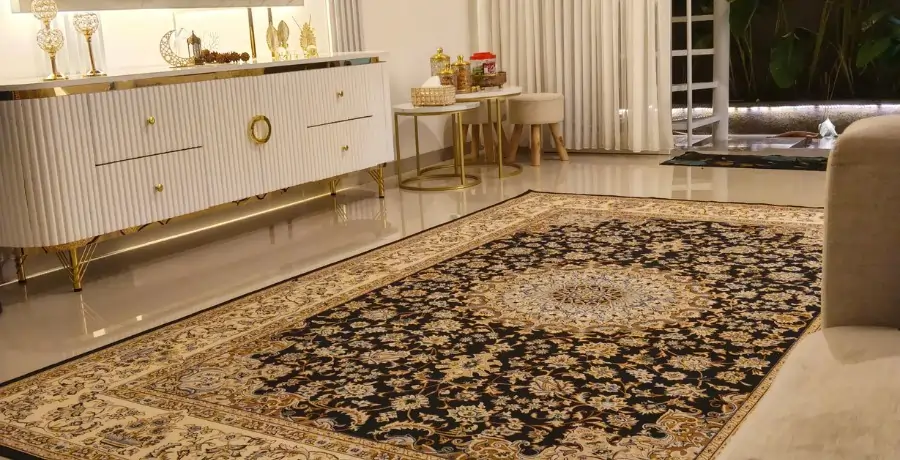
Are Persian rugs the best?
It’s a question I hear often, weighing the price against the reputation and wondering if it truly lives up to the hype. After all, with so many options available today, it’s only natural to ask.
From what I’ve seen over the years, curiosity usually comes down to three things: quality, price, and legacy.
Persian rugs carry a certain reputation. People have heard that they last longer and look better with age.
The honest answer is this: they’re among the best, but it depends on your needs.
If you value fine craftsmanship, natural materials, and rugs that develop character over time, Persian rugs are hard to fault. That’s largely why Persian rugs are so famous.
At the same time, “best” isn’t one-size-fits-all. Some people prioritise budget, others prefer bolder or more modern designs, and in those cases, different types of rugs might suit better.
So rather than thinking of Persian rugs as the best, it’s more accurate to see them as a benchmark, a strong reference point when deciding what’s right for your space.
In this guide, we’ll break it down in a straightforward way. What Persian rugs are, what makes them special, how they compare to other rugs, and whether they’re truly worth the investment.
What Are Persian Rugs?
Persian rugs are traditional hand-woven carpets first produced in Iran (formerly known as Persia) and are generally considered the best textiles in the world.
According to museums such as the Smithsonian Institution, Persian carpet weaving is over 2,500 years old, and is therefore one of the oldest continuous forms of art in the world.
These carpets were not merely decorative; they had been worn to keep warm, tell a tale, and even to display a status.
The manner of their construction is what’s so special about Persian rugs. True Persian rugs are hand-knotted, which means that knots are put together one at a time by professional weavers.
One single rug can take months or even years to finish, depending on its size and complexity.
This meticulous process results in:
- High durability
- Intricate, detailed patterns
- One-of-a-kind pieces
Various styles, patterns and colour selections are created in different parts of Iran, and are usually based on the local landscape, architecture and culture.
UNESCO has even declared traditional carpet-weaving skills in areas such as Fars and Kashan to be part of the world’s intangible cultural heritage.
This recognition helps explain “What are the best Persian rugs” in a broader sense, not just in terms of quality, but also cultural importance.
What’s So Special About Persian Rugs?
Why are Persian rugs so famous?
The answer is a mixture of craftsmanship, materials, art, and tradition. These factors work together to produce not only beautiful but also highly appreciated rugs.
Exceptional Craftsmanship
Among the most significant factors that make Persian rugs unique is their handcrafted nature. All the rugs have been designed and made using the hand-knotting method, in which a single knot is tied to the loom at a time.
Institutions like the Metropolitan Museum of Art highlight how this level of craftsmanship is a defining feature of authentic Persian carpets.
High-Quality Materials
Another aspect contributing to their reputation is the use of high-quality natural materials. The traditional Persian rugs are usually prepared using:
- Wool (durable and soft)
- Cotton (used for the foundation)
- Silk (for fine detail and luxury finishes)
Silk, especially, can be used in the most elaborate patterns and has a very smooth feel, which is why silk rugs are regarded as among the most sophisticated examples of Persian weaving.
High-quality materials would add to durability and appearance, which are important factors to consider when evaluating the best Persian rugs.
Natural Dyes and Aging Beauty
Another characteristic of Persian rugs is the use of natural dyes derived from plants, minerals and insects. These natural colours are not faded away by time like synthetic ones, but acquire a rich patina because of it.
One of the main contributors to the depth and character of Persian rugs is the traditional dyeing methods used to create them.
Rugs produced by these processes, such as vegetable dye rugs, are particularly prized due to:
- Colours age gracefully
- They maintain a more authentic look
- Each piece develops unique tonal variations over time
This maturity feature contributes to their longevity and helps to justify why they are worth the price to many.
Timeless Designs
Finally, Persian rugs are celebrated for their timeless patterns.
These designs have a firm foundation in Persian culture and, at the same time, are dynamic enough to fit most interiors, both traditional and contemporary.
Check out our modern rugs.
This versatility is another reason people continue to ask, “Are Persian rugs the best?” because they don’t just follow trends; they transcend them.
Are Persian Rugs Better Than Other Rugs?
Persian rugs are among the best, but not always the best for everyone. Various rug-making regions have their advantages, styles, and prices, so the correct decision depends on what you’re looking for.
Persian rugs have been regarded as the gold standard for their craftsmanship, history, and materials. Nonetheless, other kinds of rugs may be equally attractive based on your priorities.
Instead of asking which is the best one universally, it is better to ask: Which rug is best for your space and needs?
Understanding these differences can help answer related questions like “What are the best Persian rugs?”, “Are Persian rugs worth it?”, and “Why are Persian rugs so famous?”
Afghan Rugs
Afghan rugs are known for their deep reds, rich browns, and geometric patterns.
- Style: Bold, tribal, and geometric
- Durability: Very strong and long-lasting
- Price: Often more affordable than Persian rugs
They are a good choice when you want something more rustic or tribal, but still have a handmade, long-lasting item.
Turkish Rugs
Turkish rugs (also referred to as Anatolian rugs) boast a rich history of weaving and are characterised by a unique knotting style.
- Style: Bright colours, geometric or floral patterns
- Durability: Strong, with a slightly different knot structure than Persian rugs
- Price: Varies widely depending on quality
They are frequently chosen by people who want something bright and rich in culture, with a different aesthetic than Persian designs.
Pakistani Rugs
Pakistani rugs are popular for their balance between quality and affordability.
- Style: Often features Persian-inspired designs with softer colour palettes
- Durability: Good, especially in hand-knotted varieties
- Price: Generally more budget-friendly
They are perfect for those interested in Persian rugs but looking for a more affordable option.
Indian Rugs
Indian rugs are incredibly diverse, ranging from traditional to modern styles.
- Style: Wide variety, including contemporary designs
- Durability: Varies depending on materials and construction
- Price: Flexible—options from affordable to high-end
India is also a key manufacturer of contemporary and decorative rugs, making it a good option for people who value design versatility over tradition.
So, Are Persian Rugs the Best?
Persian rugs excel in:
- Fine craftsmanship
- Cultural and historical value
- Long-term durability
However, other rugs can:
- Offer better value for money
- Suit different design preferences
- Fit more specific budgets or lifestyles
Persian rugs are undeniably exceptional—but “better” depends on what matters most to you.
They are difficult to rival when it comes to artistry, heritage, and potential long-term value. However, when style, cost, or a certain appearance are in question, rugs from other regions can be equally enticing.
Are Persian Rugs a Good Investment?
Are Persian rugs a good investment?
The answer is often, yes.
Although not all rugs increase dramatically in value, Persian rugs are known to maintain their value over the years and, in certain situations, even appreciate.
Value Retention and Appreciation
Handmade Persian rugs are crafted with time, skill, and superior quality materials, unlike mass-produced rugs. As a result, they do not wear out like most home decorations.
Factors that influence value include:
- Craftsmanship and knot density
- Age and condition
- Rarity and origin
The Victoria and Albert Museum explains that old, historical handmade carpets are frequently considered collectible art objects, which may explain why some consumers value them for long-term investment.
Longevity (Generational Use)
The durability of some Persian rugs is one of the best reasons to invest in them. These rugs are made to last for decades, sometimes even longer, when well-maintained.
This type of longevity underlines the notion that Persian rugs are not merely purchases but heirlooms. To most buyers, the question “Are Persian rugs worth it?,” this generational value makes a significant contribution.
Collector Appeal
Persian rugs are also of interest to collectors due to their artistic and historical value. Some rugs are desired not only for their beauty but also for their origin, rarity, and tales.
This demand contributes to long-term value and helps answer why Persian rugs remain so desirable worldwide.
Types That Hold Value
Although most Persian rugs may be a good investment, certain types of rugs are particularly associated with good investment:
- Antique Rugs – Typically over 100 years old, valued for rarity and history
- Vintage Rugs – Usually 20–100 years old, offering both character and usability
- Masterpieces – Exceptionally fine rugs with high knot density and artistic detail
- City Rugs – Rugs from well-known weaving centres, often associated with specific styles and quality standards
Such kinds are frequently the focus of debates around “Are Persian rugs a good investment?”, because they combine craftsmanship, history, and collectibility that few other home items can match.

What Should You Look for in a High-Quality Persian Rug?
It is necessary to know how to tell the quality.
Persian rugs are not created equal, and knowing a few important points can make your decision more informed, particularly when you are considering whether Persian rugs are a good investment.
Knot Density
Knot density is one of the most significant quality measurements, and it is the number of knots tied per square inch (or centimetre).
- Higher knot density = finer detail and sharper patterns
- Lower knot density = simpler designs and typically lower cost
This is one of the reasons Persian rugs are so special: high-knot rugs are more difficult and time-consuming to manufacture. These works are more detailed and, in most instances, more worthwhile in the long run.
Material Quality
The materials used in a rug greatly affect its durability, texture, and overall value.
Common materials include:
- Wool: Durable, soft, and ideal for everyday use
- Cotton: Typically used for the foundation
- Silk: Luxurious, detailed, and often more delicate
The better the materials, the better the rug’s appearance, feel, and longevity.
Origin and Authenticity
Authenticity plays a significant role in determining a rug’s value. Authentic Persian rugs are produced in Iran and usually exhibit the local style of particular regions or cities.
Things to look for:
- Hand-knotted construction (not machine-made)
- Clear origin or provenance
- Traditional design elements
Authentic pieces are typically more desirable, since origin directly impacts collectibility and long-term value.
Condition (Especially Older Rugs)
Condition is especially important if you’re considering older pieces.
Check for:
- Wear and tear (especially in high-traffic areas)
- Colour fading or dye bleeding
- Repairs or restorations
A well-maintained older rug can be of great value, and a very damaged one can lose much of its worth.
Choosing the Best Persian Rug for Your Space
Whenever you are deciding whether Persian rugs are the best for your home, it is not only about quality; it is about the right rug in the right place. No amount of fineness in a rug will shine unless it suits your layout, functionality or lifestyle.
Match Rug Type to Room Function
The needs of different rooms vary, so choosing the right rug type can significantly affect its look and durability.
- Living rooms: Larger rugs that anchor furniture work best
- Dining areas: Rugs that fit comfortably under tables and chairs
- Bedrooms: Softer, more comfortable textures for a cozy feel
- Hallways and entryways: Durable, narrow rugs that handle foot traffic
Combining the rug with its purpose will maximise its style and lifespan.
Some Persian rug styles are particularly striking when displayed vertically, allowing their detailed patterns and motifs to be viewed more like artwork. If you have a piece you would rather display than place underfoot, hanging a rug on the wall is another option to consider.
Size & Shape Considerations
Aside from functionality, size and shape significantly contribute to a rug’s appearance and feel in your room.
Runner Rugs (Hallways)
Runner rugs are long and narrow, making them suitable for corridors, halls, and doorways.
- Help define walkways
- Protect high-traffic areas
- Add warmth without overwhelming the space
They are an effective option if you wish to add Persian decoration to smaller or transitional spaces.
Oversized Rugs (Large Rooms)
For bigger spaces, oversized rugs can help anchor the room and create a cohesive look.
- Ideal for open-plan living areas
- Allow furniture to sit comfortably on the rug
- Make large spaces feel more connected
Should you be investing in a high-quality rug, over-sizing can be visually impactful.
Square Rugs (Symmetry-Focused Spaces)
Square rugs are perfect for rooms where symmetry is key.
- Work well under square dining tables
- Complement balanced furniture layouts
- Add a unique alternative to standard rectangular rugs
They are particularly handy in areas where proportions are important.
Round & Oval Rugs (Soft Layouts)
Round and oval rugs are ideal for creating a softer, more fluid look in a room.
- Break up sharp lines from furniture and walls
- Work well in smaller spaces or under round tables
- Add a more relaxed, inviting feel
They are an excellent alternative when you wish to combine structure and softness, particularly in areas that appear too rigid or boxy.
Final Verdict: Are Persian Rugs the Best?
Questions like “Are Persian rugs the best?”, “Why are Persian rugs so famous?” and “Are Persian rugs worth it?” always continue to come up.
That’s because Persian rugs are so highly regarded. They offer a level of detail, durability, and history that few other rugs can match.
That said, the idea of “best” isn’t absolute.
Persian rugs are often the benchmark for quality and tradition, and in many cases, they live up to expectations. But the right choice still depends on your space, your style, and how you plan to use the rug.
Understanding which Persian rugs are best comes down to knowing what matters most to you.
If you’re exploring options, it helps to see different pieces up close or in context. Our rug collections from Bijan Exclusive Rugs bring together a wide range of Persian and Oriental styles, making it easier to compare and find the right fit for your space.
You can also use tools like a rug visualiser to see how different styles, sizes, and colours look in your own room before making a decision. And if timing matters, keeping an eye on a rug sale can make higher-quality pieces more accessible without compromising on craftsmanship.If you’re ready to explore further, take your time, compare your options, and choose a piece that feels right, not just today, but for years to come. Contact us now.